Have you done
everything within your power
to reach a goal yet it still eludes you?
This is for you.
My goals were so hard to acheive because they were not in alignment with my Emotional Types.
When I graduated from Rutgers with a MFA in acting, there were 2 things I was desperate to have: a husband and a film career.
I ran into obstacles so I revised strategies and did all the right things (focused on less traveling, stayed put in nyc to focus on film/tv and find a partner, therapy, esp) for about a decade. Nothing worked, not in a sustainable way.
So I began to examine why I needed them: the film career and partner.
I started exploring the real reasons I desired these things.
I wanted little black girls to see faces like mine having rich wonderful lives. To see that their story could be much larger than the "the poor little black girl from the hood who survived generations of emotional trauma."
I had no mentors or a guidebook for creating a life as a working artist, so there was a deep belief that it was not possible.
I wanted to use art as a tool for social change. By mastering the craft of acting and telling stories that reflect the depth of the the bohemian working class intellectual I had become. I wanted to create someone I had never seen. I wanted to write myself into existence.
Now that was my answer on paper. But it's not the real answer. The real answer is where your Emotional Type becomes critical to your understanding of the world around you.
So, I began with what I was missing in my life: a sense of safety, the kind of love that nurtures your differences and celebrates them, a place where my vulnerability was seen, heard and supported, to travel the world in search of beauty, to teach people to become more than what they imagined and freedom.
Those feelings didn't necessarily need the husband and the film career to happen. Guess how I know that? Because I put all my ducks in a row in therapy for 20 years and being on set writing, producing and acting.
When I finally learned how to date men who were actually marriage material, I realized how I sabotaged those relationships just as they were stabilizing. I began to feel limited by the needs of the relationship I claimed to have wanted. I made up a story about being dumped constantly. Until a friend of mine said to me: you're the one who's always dating...the social life to die for until you don't. Or I chose people who were limited and would never want a life as bold and impetuous as the one I was choosing.
Then after years of hard work, writing producing and acting, jobs started coming to me on offer. This is how I know I was on track. Then what happened? My solo play got a off broadway premier , nominations, followed by a bidding war between performing arts centers in South Florida. I was on a daily press junket of every morning show in town. Then film I produced and acted in went to Sundance, got distribution, won the New Directors/New Films and I found myself on the red carpet. The first Broadway play I ever produced won the Tony that year while I was producing 2 other Broadway plays, starring in a Broadway play at night and travelling to NYSF for the world premiere workshop of my second play. Yes, all of that sheeze was happening at the same time. The piece de resistance was getting first a movie offer and then my first Top of show credit on primetime. So, here I sat on the a CBS set never having auditioned for the role and a call that seeming came out of the blue. I was doing it...I was reaching it. But I was not happy or content with the work I was doing or the pay. Something was missing. I felt buffetted about by the industry. I saw the demise of residuals, the demise of my daily quote as an actor in favor of SAG minimums. The handwriting was on the wall. The job I set out to do was becoming harder, not because I wasn't working, but because the industry on all fronts was asking more of me as an artist while paying me less and less.
The result, I was going to have to work 3x harder than I was already working. Can you imagine a life in which I'm doing 8 shows per week on broadway, coaching in the mornings and driving upstate to worksop a play, throw in producers meetings for the other 2 plays I was producing while still auditioning for the next job. I made a lot of money and had no time to spend it. I lost 20lbs in 6 weeks without realizing it. My body was in turmoil catching every new cold or virus and my allergies had me in urgent care. But hey, I was working, right. I simply could not imagine a life like this. It had nothing to do with what my original goals were: a husdand and a film career.
Because, a husband and a film career was ultimately not what I wanted.
Those are feelings. Feelings create realities even when we don't realize they are at play. They drive our decisions and actions. But what happens when there's a disconnect between the goals we set and how we want to feel?
That looks like lots of success that makes you unhappy or an inability to reach goals no matter how hard you try.
So, the goals I set when graduating from college had little to do with how I eventually wanted to feel in my life. And that disconnect led me to create a process: The Emotional Type Technique
My goals were not in alignment with my heart's desire. I had to learn why I was put here to do in order to get closer to the feelings that would lead to happiness, purpose and stability.
THIS IS WHAT I WANTED TO FEEL
A sense of safety, the kind of love that nurtures your differences and celebrates them, a place where my vulnerability was seen, heard and supported, to travel the world in search of beauty, to teach people to become more than what they imagined and freedom.
I THOUGH THIS WOULD MAKE ME HAPPY
A husband and a film career. This ultimately made me unhealthy, sick, lonely, tired and disillusioned. These feelings are ones I never signed up for.
I had to readjust my goals to get closer to how I wanted to feel
There were no women in film & tv who looked like me doing the kind of work I wanted to do.
But there were white actors, male actors doing the kind of work that intrigued me. There were Indian writers telling stories that left me shook and dreaming. So, I had to use my imagination and dream outloud to create a new reality for myself that would FEEL RIGHT.
GUIDES, ARCHETYPES, GODDESSES AND ORISHAS
My guides were books about women who remade themselves. Deep stories like Patakis (stories from the Yoruba tradition) of regular people doing amazing things in spite of horrific tragedies; becoming deities in the process. Orishas are (the protagonists in these stories. And they have various paths they can take. In literature, the closest analogy is that of the Greek gods and their pantheon of stories. I studied the stories of the Orishas and learned how archetypal journeys work. The Orishas have an overlying set of qualities like, Oshun, the goddess of love, beauty and lakes. But she has at least 30 different paths she can take. Each path is a journey where she must learn a difficult lesson which changes her by the end of the story.
I was first introduced to her story when I was about 6 years old at rites of passage ceremonies my great grandparents held. My great grandmother kept beautiful dolls on her bet adorned beautiful ballgowns in the colors of each orisha. She made these dolls for people who came to her for help. These dolls were a physical reminder of each Orisha's story. To remind the follower of what they've learned from the story and how to put that lesson to good use in their everyday lives.
I was always drawn to Oshun of the yellow dress, big hair and gold bangles climbing up her arms. She is playful, whimsical but deadly as a heart attack during times of trouble. Her symbolic color, yellow comes from one of her patakis. She is the protector of women and children who have been abused by men. When she and her children are left homeless, she wanders the streets for years in the same white dress she was wearing the day she was evicted. She searches trash bins relentlessly to keep her children fed. Quitting was never an option. Nor was submitting to an abusive man. That abuse is the lesson that changes her path forever from frivolous, trad wife to a warrior woman who protects women and children with a machete in her hand.
On one of my first days going to a completely white private school in the 1970s, my great grandfather told me her story. I was 6 years old with my brand spanking new Cuban gold bangle that had been blessed by my great grandfather and had protective aceveche stones He said to me:
You are not alone when you walk through those gates, Oshun sits on your shoulder like a bird whispering advice into ear. She protects you.
I then looked around my apt and found that I had a famous painting by Francois Cauvin of a girl sitting in a chair with an angel with wings whispering in her ear. Across from me was a print of the Marie-Guillemine Benoist's portrait of Madeleine dressed in white. It is the first painting in the European tradition where the black woman is the subject. It was acquired by Louis XVIII and now sits in the Louvre. I took a trip to Paris for the first time for the sole purpose of seeing this painting.
I was realizing that there was a very particular set of recurring themes showing up in my life. These themes all had utter joy and clarity attached to them. That was key.
When I looked into the world of storytelling, I didnt see myself. I saw beautiful, broken black women accepting less than they deserved as the only possible reality.
So, I wanted to rewrite that story. To create an example of a black woman traveling the world, speaking multiple languages, telling stories about her adventures and the many incarnations of her brightest self living and loving.
I wanted a husband who could give me the kind of unimaginable love I never felt as a child. Every message was that the only path to that was to find a husband.
But here's what I missed. I found my identity in books because I had no models in the real world to pattern myself after. So, I believed myself to be just fine.
Pretty enough, petite enough, smart AF and deeply intuitive. What I learned is that the world thought I was frumpy, odd looking and at a size 6, chubby. And emotional intelligence was of little value. As was being a direct truthteller. In short i didnt fit yet, I didnt know how to become smaller than who I am to play the role of wife and working actor.
I didnt know how to pretend to be less than I was.
A very similar reckoning was happenning as I proceeded to "get a husband" so that I could get the love I wanted. But here's the thing, again, the game of "getting a husband" had some unspoken rules that required that I make myself smaller in order to reach that goal.
Again, I didn't know how to do that. I didn't know how to make excuses for men who had not done their work. I didn't know how to be satisfied with bending myself into all kinds of shapes to accommodate fragile egos. Fragile egos that did not offer the same emotional support in return. I was expected to accept this as normal. That if they cheated, didn't hold up their end of the relationship that I was supposed to accept that and mother them. But that same emotional support was never going to be granted to me.
So again, the deal was make myself smaller in order to get what the world believed I was supposed to settle for.
What I had to offer: an irreverent audacity and a fearlessness that would take me places no one I knew had ever been.
I believed my worldview was normal and acceptable; not unrealistic and impossible.
I believed making myself smaller was the impossibility and stories I read were all possible as long as I was willing to do the work required to reach those dreams.
It was a startling realization that most people thought I was the abberation, not the norm. My physical circumstances were poor, but the life I had created in my mind was rich and abundant.
Trying to reconcile those 2 opposing values became my life's work. Not because I was living in a fairy tale but rather, trying to make myself smaller was literally killing me.
The energy required to please others left me depleted. So began the spiral. That spiralling down is where understanding grows. When you finally hit the bottom, you're forced to reckon with your real purpose.
We say we want a lot of things, but what we rarely examine is WHY we want those things.
Like I want to be a series regular,
I want a beautiful mediterranean dream wedding,
I want an Oscar.
We rarely examine the WHY. Why we want those things is the key to getting what we really need.
I had to unpack why I wanted those things before i could ever get close enough to have them. That's what getting unstuck actually is:
Finding what resides between what you say you want and what you actually need.
That search became the beginning of the Emotional Type Technique. As a voracious reader and journaller, I had no problem searching and finding what stories and self-help methodologies to help me figure out why I wanted these things. I had to discover why I was built this way and my true purpose.
I read relationship psychologists like Dr. Pat Allen on the role of the masculine and the feminine in building connection and intimacy. Dr Harville Hendrix's Imago work was ground breaking in teaching me how our underlying core values guide our choices and behaviors. How we say one thing, but do another. That in the face of conflict, we leave the present moment and revisit our programmed trauma response. That until we examine the first time we were faced with this difficult lesson and unpack it, we cannot heal it.
As an actor and writer, the Imago exercise was revelatory. Because "the first time" that something happened to you always holds the most emotional resonance. It's how we enter a story to resolve a conflict. Resolving that conflict requires learning a very specific lesson.
The source of a recurring emotional chord lives in the Imago exercise. The first time, your dream of who you were is challenged is the moment you learn a major life lesson. In that moment, you create new strategies and a new protective face to master the conflict.
The Imago exercise is where we identify the nature of that life changing moment. It is the moment an emotional chord begins to shape your strategies for survival. You spend your entire life using those same techniques to over come the effects of that emotional chord.
"Sue Bennett's Sex Signs rejects predetermination or predestination as well as the strict use of sun signs. Sex Signs is a breakthrough book, a dramatic, unique marriage of astrology, psy- chology, and female sexuality"
Sex Signs gave me a psychological language to identify and articulate the psychological reasons behind emotional responses. So that instead of being limited to the descriptions of my my particular Sun Sign. I studied each sign as psychological portraits that every human that each human has embodied at different times in their lives.
I've learned that actor training does not teach us how to self-direct and shape character arcs. But the complete artist knows why they exist in a story. Whose story they are meant to tell and which emotional strategies to employ to trigger the behavior that causes the next plot point to unfold.
Using astrological descriptions as psychological profiles was critical to understanding how storytelling works.
These profiles include
the way we present ourselves to the world (Sun Sign);
the strategies we use to get what we want (Rising Sign)
and the nature of our true feelings that we hide from the world (Moon Sign).
I began to approach my acting and writing work by building psychological profiles for each character, each world, each family. This informed the worldbuilding, the major conflicts in each scene, the emotional stakes and plot points of each story.
It gave me a language to identify what Emotional lessons are at play in scene or relationship. Then how to I had to identify the specific recurring emotional chords and how to trigger the behavior that will resolve the conflict of the scene. That combination of emotional lesson, chord and strategic behavior to resolve conflict is the Emotional Type.
The Emotional Type is full of the things we never say, but are the biggest elephants in the room because we have created a tried and true way of confronting them. The Emotional Type informs our emotional understanding of the world and our place in it.
Studying Meisner under Maggie Flanigan at Rutgers taught me to identify major recurring emotional chords. The Nursery Rhymes exercise was groundbreaking. It helped me understand that dialogue is simply a tool we use to hold the things we are afraid to say. What gives the lines meaning is the emotional work underpinning them. It was the hardest, yet most rewarding work I did in grad school.
From humiliation to abandonment; sensuality and celebration; I identified the Emotional Chord I would explore:
Joy from heartache.
Then I created a backstory to trigger my Emotional Type's unique response to the Joy from heartache chord.
The source of the backstory was almost always the first time I mastered a particular emotional lesson about how to wring joy from heartache.
The way in which I respond is a part of my emotional type. Actor training also helped me identify both the behavior and the trigger
Contemporary students of life like Echardht Tolle, Briana Wiest, Pema Chodron, to creatives like Jumpa Lahiri, Octavia Butler and Ursula LeGuine gave me stories that revealed just how those recurring emotional chords were directing my actions.
I began to make lists. What you love, what you're proud of, what fascinates you, what you fear, what you want more of. Answering those questions forced me to ask WHY those things were on my list. What followed were a list of questions that forced me to create complex stories in response to where that list item came from. To look at the source of each fear, accomplishment, joy and memory.
The answers were the beginning of my search for the Emotional Type.
Recurring emotional chords are emotional themes that keep showing up in our lives. Our unique brand of joy, humiliation, success and disappointment come from how we learned to master life's most important lessons.
The emotional type has 3 parts
The Imago. The first time we had to forge a new identity when our sense of self worth is challenged
The result is the Sun sign - the face we present to the show world
plus
The rising sign - the strategies we use to resolve conflict (how we get what we want)
The moon sign which is our real feelings beneath the mask of the Sun and Rising signs
The Transformation
Remember that feeling of being different, unable to fit in, far more sensitive to what people doinstead of what they say?
The Emotional Type Technique taught me to center what I really value and need
The biggest realization was this:
How I want to feel is a much more precise indicator of what will provide the clarity, contentment and sense of purpose I need to thrive.
The Emotional Type are the 4 major life lessons you were put here to master. As you master each one, it becomes a right of passage that uplevels the quality of your life and moves you beyond what your parents learned, knew and became. It is pure power that breaks you out of the small boxes of what you're "supposed to do" as oppossed to what you were put here to do.
It erases doubt, the need for approval, grinding away at things that will not align with what will make you hsppy and fulfillef.
What’s an Emotional Type?
An Emotional Type is more than a physical type or a broad character label. It’s a way to understand the emotional strategies you use to get what you need, handle conflict, and protect what matters to you.
Each of us has four major Emotional Types. When you learn to recognize them, you can find a deeper point of connection with characters, including roles that may not look like you.
That connection can help you make choices that feel specific, truthful, and your own.
The 3-Step Audition Technique
Step 1: Identify one of your four Emotional Types
Move beyond a vague archetype and explore what drives the character: what they want, what they fear, and how they get what they need.
For example, “a fierce mogul” is a starting point. A more specific Emotional Type might be:
The goddess with an edge uses silence to intimidate the opposition. She investigates to find their weaknesses. Unapologetic about her beauty, she uses it to distract you from her dangerous physical prowess.
Specificity gives you something playable.
Step 2: Learn what can weaken an audition, and how to prepare
When you’re working hard to remember the lines, it can be difficult to listen and respond in the moment. The camera is interested in the psychology underneath the words: what you want, what you’re hiding, and what you’re doing to your scene partner.
You’ll learn my 9-times-fast memorization technique to help you move beyond rote rehearsal, so the lines don’t have to take over your attention.
Step 3: Work the scene from your Emotional Type
Use your Emotional Type to find the character’s objective, actions, and emotional conflict. The work becomes personal because it connects to your own understanding of how people get what they need.
You’re not trying to paste an idea onto the text. You’re finding a point of view that gives you a way into the scene.
You don’t need to show up trying to guess what the casting team wants. You need a way to prepare that helps you make clear, personal choices and stay present in the scene.
In this three-hour class, I’ll teach you a practical approach to understanding what drives a character and how to use that understanding in your audition.
What’s an Emotional Type?
An Emotional Type is more than a physical type or a broad character label. It’s a way to understand the emotional strategies you use to get what you need, handle conflict, and protect what matters to you.
Each of us has four major Emotional Types. When you learn to recognize them, you can find a deeper point of connection with characters, including roles that may not look like you.
That connection can help you make choices that feel specific, truthful, and your own.

If you don’t know why you want something, it’s unlikely that you’ll get it
The Emotional Type Technique
For Working Actors




200+ actors trained
100+ bookings

The Birth of the Emotional Type Technique
When I graduated from Rutgers with a mfa in acting, there were 2 things i was desperate to have: a husband and a film career.
I ran into obstacles so I revised strategies and did all the right things (focused on less traveling, stayed put in nyc to focus on film/tv and find a partner, therapy, esp) for about a decade. Nothing worked, not in a sustainable way.
So I began to examine why I needed them: the film career and partner.
I started exploring the real reasons I desired these thing.
I wanted little black girls to see faces like mine having rich wonderful lives. To see that their story could be much larger than the "the poor little black girl from the hood who survived generations of emotional trauma."
I had no mentors or a guidebook for creating a life as a working artist, so there was a deep belief that it was not possible.
I wanted to rewrite my story so that little girls who looked like me could write a new story for themselves as well.
But it's hard to imagine something you've never seen. There were no women in film & tv who looked like me doing the kind of work I wanted to do.
So, I had to use my imagination and dream outloud to create it.
My guides were books about women who remade themselves. Deep stories like Patakis (stories from the Yoruba tradition) of regular people doing amazing things in spite of horrific tragedies; becoming deities in the process. Orishas are (the protagonists in these stories. And they have various paths they can take. In literature, the closest analogy is that of the Greek gods and their pantheon of stories. I studied the stories of the Orishas and learned how archetypal journeys work. The Orishas have an overlying set of qualities like, Oshun, the goddess of love, beauty and lakes. But she has at least 30 different paths she can take. Each path is a journey where she must learn a difficult lesson which changes her by the end of the story.
I was first introduced to her story when I was about 6 years old at rites of passage ceremonies my great grandparents held. My great grandmother kept beautiful dolls on her bet adorned beautiful ballgowns in the colors of each orisha. She made these dolls for people who came to her for help. These dolls were a physical reminder of each Orisha's story. To remind the follower of what they've learned from the story and how to put that lesson to good use in their everyday lives.
I was always drawn to Oshun of the yellow dress, big hair and gold bangles climbing up her arms. She is playful, whimsical but deadly as a heart attack during times of trouble. Her symbolic color, yellow comes from one of her patakis. She is the protector of women and children who have been abused by men. When she and her children are left homeless, she wanders the streets for years in the same white dress she was wearing the day she was evicted. She searches trash bins relentlessly to keep her children fed. Quitting was never an option. Nor was submitting to an abusive man. That abuse is the lesson that changes her path forever from frivolous, trad wife to a warrior woman who protects women and children with a machete in her hand.
On one of my first days going to a completely white private school in the 1970s, my great grandfather told me her story. I was 6 years old with my brand spanking new Cuban gold bangle that had been blessed by my great grandfather and had protective aceveche stones He said to me: you are not alone when you walk through those gates, Oshun sits on your shoulder like a bird whispering advice into ear. She protects you. Then he
with a painful lesson.
When I looked into the world of storytelling, I didnt see myself. I saw beautiful, broken black women accepting less than they deserved as the only possible reality.
So, I wanted to rewrite that story. To create an example of a black woman traveling the world, speaking multiple languages, telling stories about her adventures and the many incarnations of her brightest self living and loving.
I wanted a husband who could give me the kind of unimaginable love I never felt as a child. Every message was that the only path to that was to find a husband.
But here's what I missed. I found my identity in books because I had no models in the real world to pattern myself after. So, I believed myself to be just fine.
Pretty enough, petite enough, smart AF and deeply intuitive. What I learned is that the world thought I was frumpy, odd looking and at a size 6, chubby. And emotional intelligence was of little value. As was being a direct truthteller. In short i didnt fit yet, I didnt know how to become smaller than who I am to play the role of wife and working actor.
I didnt know how to pretend to be less than I was.
A very similar reckoning was happenning as I proceeded to "get a husband" so that I could get the love I wanted. But here's the thing, again, the game of "getting a husband" had some unspoken rules that required that I make myself smaller in order to reach that goal.
Again, I didn't know how to do that. I didn't know how to make excuses for men who had not done their work. I didn't know how to be satisfied with bending myself into all kinds of shapes to accommodate fragile egos. Fragile egos that did not offer the same emotional support in return. I was expected to accept this as normal. That if they cheated, didn't hold up their end of the relationship that I was supposed to accept that and mother them. But that same emotional support was never going to be granted to me.
So again, the deal was make myself smaller in order to get what the world believed I was supposed to settle for.
What I had to offer: an irreverent audacity and a fearlessness that would take me places no one I knew had ever been.
I believed my worldview was normal and acceptable; not unrealistic and impossible.
I believed making myself smaller was the impossibility and stories I read were all possible as long as I was willing to do the work required to reach those dreams.
It was a startling realization that most people thought I was the abberation, not the norm. My physical circumstances were poor, but the life I had created in my mind was rich and abundant.
Trying to reconcile those 2 opposing values became my life's work. Not because I was living in a fairy tale but rather, trying to make myself smaller was literally killing me.
The energy required to please others left me depleted. So began the spiral. That spiralling down is where understanding grows. When you finally hit the bottom, you're forced to reckon with your real purpose.
We say we want a lot of things, but what we rarely examine is WHY we want those things.
Like I want to be a series regular,
I want a beautiful mediterranean dream wedding,
I want an Oscar.
We rarely examine the WHY. Why we want those things is the key to getting what we really need.
I had to unpack why I wanted those things before i could ever get close enough to have them. That's what getting unstuck actually is:
Finding what resides between what you say you want and what you actually need.
That search became the beginning of the Emotional Type Technique. As a voracious reader and journaller, I had no problem searching and finding what stories and self-help methodologies to help me figure out why I wanted these things. I had to discover why I was built this way and my true purpose.
I read relationship psychologists like Dr. Pat Allen on the role of the masculine and the feminine in building connection and intimacy. Dr Harville Hendrix's Imago work was ground breaking in teaching me how our underlying core values guide our choices and behaviors. How we say one thing, but do another. That in the face of conflict, we leave the present moment and revisit our programmed trauma response. That until we examine the first time we were faced with this difficult lesson and unpack it, we cannot heal it.
As an actor and writer, the Imago exercise was revelatory. Because "the first time" that something happened to you always holds the most emotional resonance. It's how we enter a story to resolve a conflict. Resolving that conflict requires learning a very specific lesson.
The source of a recurring emotional chord lives in the Imago exercise. The first time, your dream of who you were is challenged is the moment you learn a major life lesson. In that moment, you create new strategies and a new protective face to master the conflict.
The Imago exercise is where we identify the nature of that life changing moment. It is the moment an emotional chord begins to shape your strategies for survival. You spend your entire life using those same techniques to over come the effects of that emotional chord.
"Sue Bennett's Sex Signs rejects predetermination or predestination as well as the strict use of sun signs. Sex Signs is a breakthrough book, a dramatic, unique marriage of astrology, psy- chology, and female sexuality"
Sex Signs gave me a psychological language to identify and articulate the psychological reasons behind emotional responses. So that instead of being limited to the descriptions of my my particular Sun Sign. I studied each sign as psychological portraits that every human that each human has embodied at different times in their lives.
I've learned that actor training does not teach us how to self-direct and shape character arcs. But the complete artist knows why they exist in a story. Whose story they are meant to tell and which emotional strategies to employ to trigger the behavior that causes the next plot point to unfold.
Using astrological descriptions as psychological profiles was critical to understanding how storytelling works.
These profiles include
the way we present ourselves to the world (Sun Sign);
the strategies we use to get what we want (Rising Sign)
and the nature of our true feelings that we hide from the world (Moon Sign).
I began to approach my acting and writing work by building psychological profiles for each character, each world, each family. This informed the worldbuilding, the major conflicts in each scene, the emotional stakes and plot points of each story.
It gave me a language to identify what Emotional lessons are at play in scene or relationship. Then how to I had to identify the specific recurring emotional chords and how to trigger the behavior that will resolve the conflict of the scene. That combination of emotional lesson, chord and strategic behavior to resolve conflict is the Emotional Type.
The Emotional Type is full of the things we never say, but are the biggest elephants in the room because we have created a tried and true way of confronting them. The Emotional Type informs our emotional understanding of the world and our place in it.
Studying Meisner under Maggie Flanigan at Rutgers taught me to identify major recurring emotional chords. The Nursery Rhymes exercise was groundbreaking. It helped me understand that dialogue is simply a tool we use to hold the things we are afraid to say. What gives the lines meaning is the emotional work underpinning them. It was the hardest, yet most rewarding work I did in grad school.
From humiliation to abandonment; sensuality and celebration; I identified the Emotional Chord I would explore:
Joy from heartache.
Then I created a backstory to trigger my Emotional Type's unique response to the Joy from heartache chord.
The source of the backstory was almost always the first time I mastered a particular emotional lesson about how to wring joy from heartache.
The way in which I respond is a part of my emotional type. Actor training also helped me identify both the behavior and the trigger
Contemporary students of life like Echardht Tolle, Briana Wiest, Pema Chodron, to creatives like Jumpa Lahiri, Octavia Butler and Ursula LeGuine gave me stories that revealed just how those recurring emotional chords were directing my actions.
I began to make lists. What you love, what you're proud of, what fascinates you, what you fear, what you want more of. Answering those questions forced me to ask WHY those things were on my list. What followed were a list of questions that forced me to create complex stories in response to where that list item came from. To look at the source of each fear, accomplishment, joy and memory.
The answers were the beginning of my search for the Emotional Type.
Recurring emotional chords are emotional themes that keep showing up in our lives. Our unique brand of joy, humiliation, success and disappointment come from how we learned to master life's most important lessons.
The emotional type has 3 parts
The Imago. The first time we had to forge a new identity when our sense of self worth is challenged
The result is the Sun sign - the face we present to the show world
plus
The rising sign - the strategies we use to resolve conflict (how we get what we want)
The moon sign which is our real feelings beneath the mask of the Sun and Rising signs
The Transformation
Remember that feeling of being different, unable to fit in, far more sensitive to what people doinstead of what they say?
The Emotional Type Technique taught me to center what I really value and need
The biggest realization was this:
How I want to feel is a much more precise indicator of what will provide the clarity, contentment and sense of purpose I need to thrive.
The Emotional Type are the 4 major life lessons you were put here to master. As you master each one, it becomes a right of passage that uplevels the quality of your life and moves you beyond what your parents learned, knew and became. It is pure power that breaks you out of the small boxes of what you're "supposed to do" as oppossed to what you were put here to do.
It erases doubt, the need for approval, grinding away at things that will not align with what will make you hsppy and fulfillef.
What’s an Emotional Type?
An Emotional Type is more than a physical type or a broad character label. It’s a way to understand the emotional strategies you use to get what you need, handle conflict, and protect what matters to you.
Each of us has four major Emotional Types. When you learn to recognize them, you can find a deeper point of connection with characters, including roles that may not look like you.
That connection can help you make choices that feel specific, truthful, and your own.
The 3-Step Audition Technique
Step 1: Identify one of your four Emotional Types
Move beyond a vague archetype and explore what drives the character: what they want, what they fear, and how they get what they need.
For example, “a fierce mogul” is a starting point. A more specific Emotional Type might be:
The goddess with an edge uses silence to intimidate the opposition. She investigates to find their weaknesses. Unapologetic about her beauty, she uses it to distract you from her dangerous physical prowess.
Specificity gives you something playable.
Step 2: Learn what can weaken an audition, and how to prepare
When you’re working hard to remember the lines, it can be difficult to listen and respond in the moment. The camera is interested in the psychology underneath the words: what you want, what you’re hiding, and what you’re doing to your scene partner.
You’ll learn my 9-times-fast memorization technique to help you move beyond rote rehearsal, so the lines don’t have to take over your attention.
Step 3: Work the scene from your Emotional Type
Use your Emotional Type to find the character’s objective, actions, and emotional conflict. The work becomes personal because it connects to your own understanding of how people get what they need.
You’re not trying to paste an idea onto the text. You’re finding a point of view that gives you a way into the scene.
Stop Guessing
Start Booking
Discover how to turn callbacks into bookings with the
3 Step Emotional Type
Audition Technique
The Emotional Type Audition Technique - a 3 Step process
A one day Zoom class with Tony-winning producer & actor, April Yvette Thompson on the Emotional Type Audition Technique
a 3 hour virtual class the 2nd Sat of each month @ 10am (MT) for only $199
The one day class is a pre-requisite for the Full 12 Week Emotional Type Technique MasterMind Group
You’ll learn:
-Learn what kills Auditions and How to Fix It
Identify 1 of your 4 Emotional
Learn Emotional Type Audition Prep-Access your deepest emotions easily and quickly to create the kind of auditions that make CDs your biggest fan
- Reposition yourself in the industry as a one-take actor who delivers complex & compelling performances quickly & effortlessly
Now, let’s walk through how we’ll get there during our 3 hours together.
Check out step 1 below
What’s an Emotional Type you say?
Let’s get into it.
You may be a fierce, corporate mogul type, who slays in the boardroom.
But that’s a vague archetype.
It doesn’t tell us what triggers that behavior, what makes you tick and how you get what you want.
Specifically, under what given circumstances do you employ the fierce mogul type?
How do you get what you want from others?
What is your deepest fear that you’re working overtime to conceal?
A more specific Emotional Type would be:
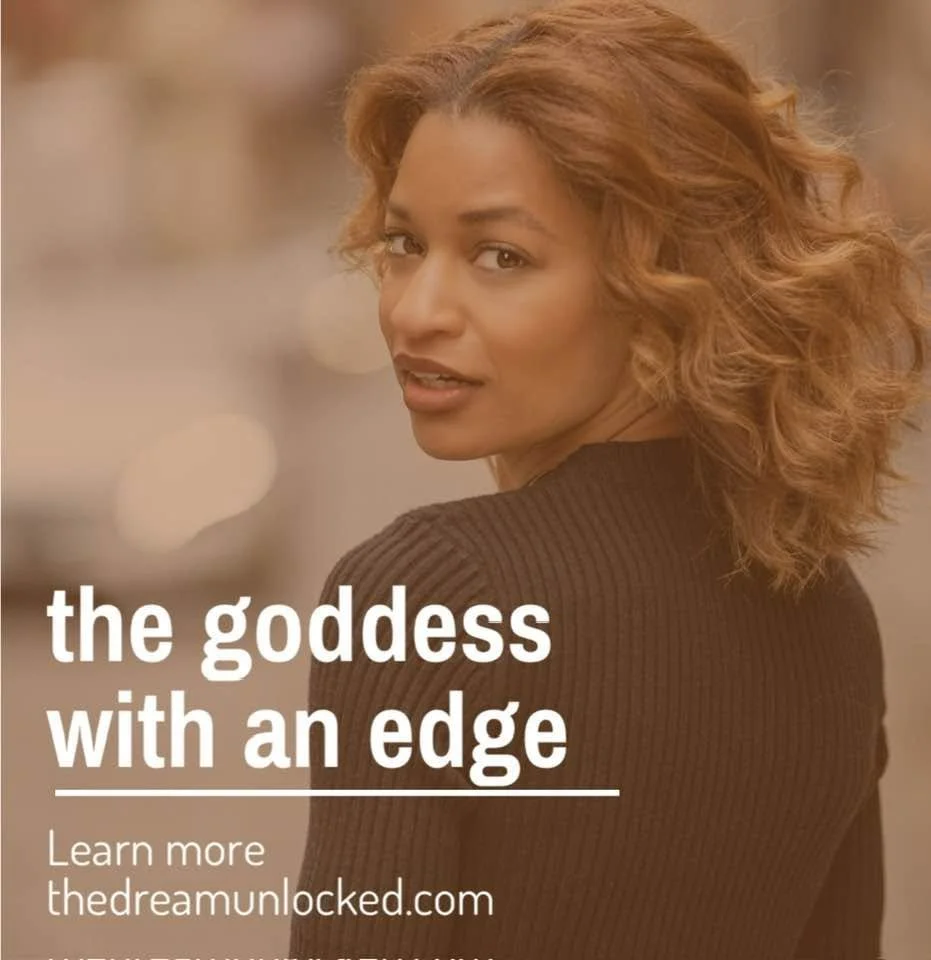
The goddess with an edge uses silence to intimidate the oppostion. And subtle investigative reporting to find their weaknesses. Unapologetic about her beauty, she uses it to distract you from her dangerous physical prowess that starts and finishes wars.
Great!
Step 1
Identify 1 of 4 of your
Emotional Types
Step 2
Learn what
KILLS auditions
& fix it
WHAT KILLS AUDITIONS QUICK FAST AND IN A HURRY:
When the camera watches you trying to remember lines
On Camera acting cannot hold you belaboring the text. When you do that, you’re not listening and responding moment to moment. Your performance feels contrived
The camera is interested in what you’re hiding. The psychology behind your actions. Dialogue is the tool we use to cover up what we’re really thinking
The camera is only interested in your psychological process, not the text which is a means to an end.
The text is the mailbox you send to your scene partner to hide your true intentions and feelings
So, we must tap into your psychology for on camera acting. In order to do this, we must remove the need to remember lines
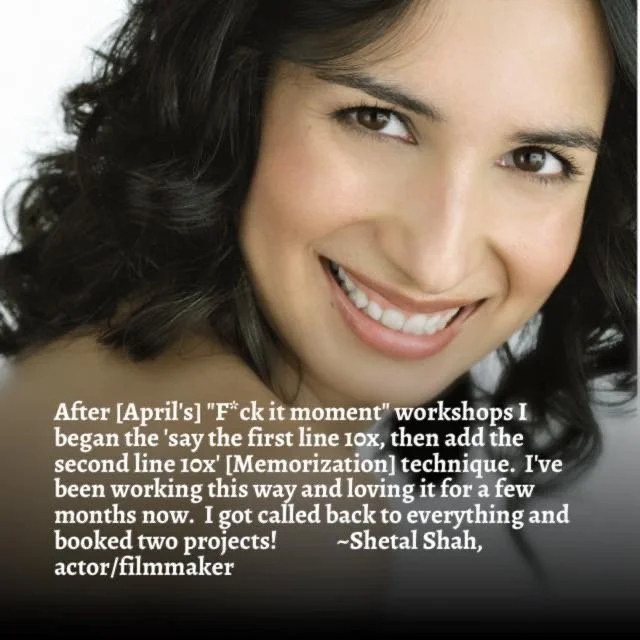
You’ll learn the 9-times-fast memorization technique.
When you memorize by rote with without attaching meaning to the words, this frees you up to listen and respond truthfully in the moment .
So, instead of the camera watching your acting homework. The homework becomes invisible. Instead of a bunch of rehearsed responses that prevent you being present in the scene.
Step 3
Work the scene
from the POV of your
Emotional Type
Remember The goddess with an edge Emotional Type from Step 1?
She uses silence to intimidate the opposition. And subtle investigative reporting to find their weaknesses. Unapologetic about her beauty, she uses it to distract you from her dangerous physical prowess that starts and finishes wars
The Emotional Type
gives you an objective in the scene,
precise actions,
it establishes what triggers the conflict within you.
Because you understand this Emotional Type because it comes from you. Not the text, not the breakdown, but you.
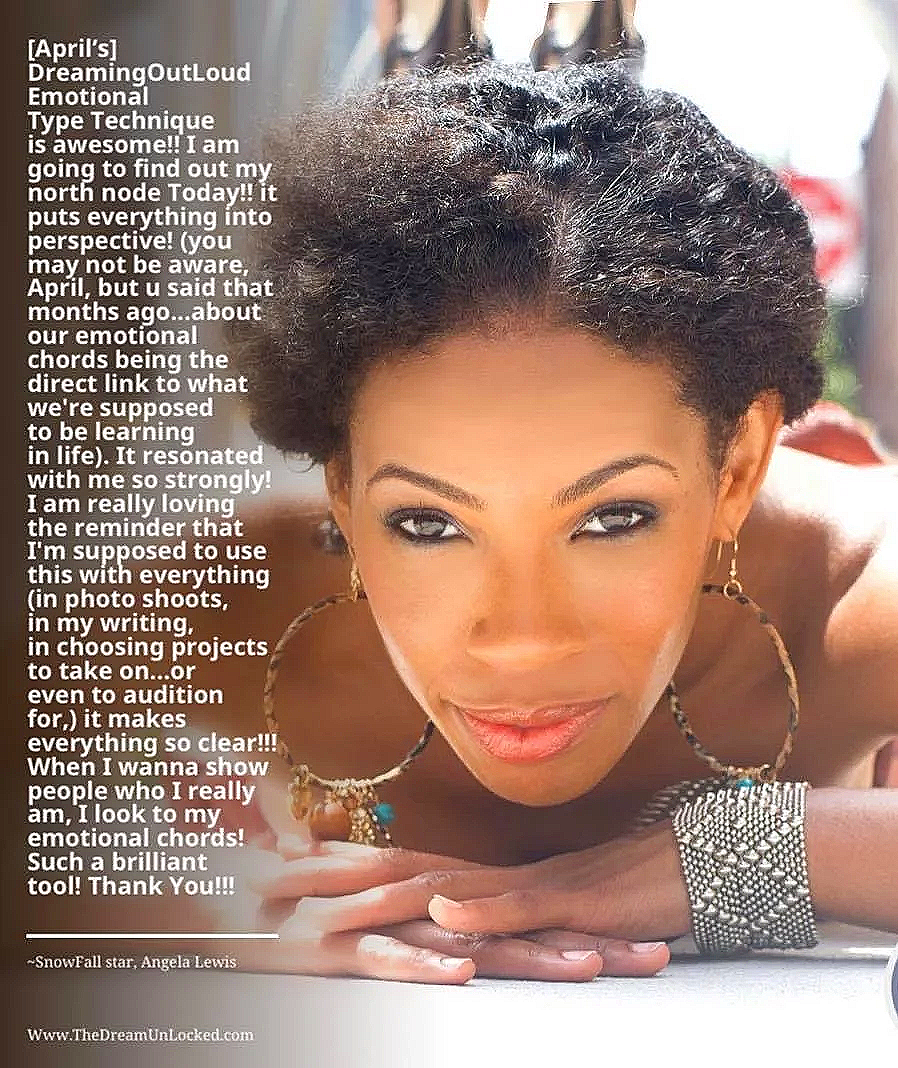
What folks are saying about working with April on the Emotional Type Technique
‘The Boys’ star, Susan Heyward has been a series regular on nearly every show she’s worked on. April teaches the Emotional Type Audition Technique approach to build careers like Susan’s .
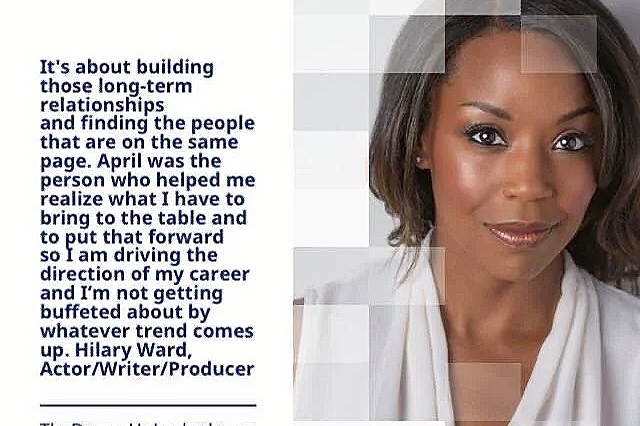
Hilary’s Emotional Type Strategy
“When I called April, it was after I had been particularly frustrated. My scenes were cut from a career making, high profile film.
April said, “Well, why don't you write something for yourself?” I did April's [DreamingOutLoud Emotional Type Technique] and I realized that an idea that I had was the perfect vehicle for me to not only play one of my chords, but also something I was really passionate about.
So she put me on a writing schedule.
Through this process, what I'm starting to learn is that outer experience is an expression of inner reality.
As my inner reality shifted, my experience in the business began to shift.
As I understood that I'm not an actor who has to wait around for someone to choose her, waiting around for the phone to ring, doing her best at auditions and giving away all her power.
April is the person who was able to make me realize what I have to bring to the table and how I can put that forward. So I am driving the direction of my career and not getting buffeted about by whatever trend comes up or whatever job happens to become available or whatever people think black girls are in right now.
Because I'm not here for a trend, I'm here for the long haul.
So, BadAsses:
April --This is your leader,
go find her,
be bold,
be brave
stand up
for yourself & stand up
for your dreams.” Hilary Ward, Actor/Writer/Producer (The Fosters, Sharp Objects, NCIS)
What is an
Emotional Type &
Why does it Matter?
Tony-winning producer, actor, writer & thedreamunlocked founder, April Yvette Thompson talks about the Emotional Type Technique in this FREE CLASS
Each person has 4 major Emotional Types. In order to survive, you have 4 major emotional lessons that you must master in this life time.
In order to thrive, you’ve subconsciously created strategies to overcome each conflict in your life.
Those emotional strategies are what helped you come through the fire wiser and stronger.
The Emotional Strategies you’ve devised give you a clear understanding of how you process emotions, solve problems and turn them into truthful behavior.
As a result, you intuitively enter characters from a very specific shared emotional truth.
This takes the focus away from pleasing the CD to creating a truthful, unselfconscious, performance that is immediate, specific and organic.
You won’t need to belabor the characters’ actions line by line. You won’t need to be tripped up by CD adjustments.
Because you’ll understand the character’s deepest desires and the psychological strategies they employ to get what they want.
The Emotional Type Audition Technique is a completely intuitive approach to acting that builds on the unique problem- solving emotional strategies that you’ve mastered.
This makes you uniquely qualified to play certain roles whether they land in your physical type or not.
Because those roles land within a much bigger playing field: your psychological and emotional experience of the human condition.
It opens up an entire world of opportunities for you that have never been considered.
How you look will change, but your Emotional Type is with you throughout your lifetime.
Your Emotional Type is a deep, soulful way of portraying a heroine’s journey that is unique to you and you alone.
Learning your 4 major Emotional Types is how you unlock roles you were born to play
Do you constantly compare yourself to other actors deciding that someone else is going to get the job before you even show up at the audition?
Do you get the audition, nail the callback but never book the job?
Do you have to constantly berate your agents to get you seen for more roles?
Do you panic when you get a last minute audition because you have no time to prep?
Does the camera make you nervous, so you forget your lines?
Do you get in your own way when it comes to having a successful, lucrative acting career?
If the answer to any of these questions is yes, then this class is for you... -
Is the
EmotionalType
Technique
right for you?
SHOP
Join the next ONE DAY $199 EMOTIONAL TYPE TECHNIQUE to learn how to:
-Identify one of your Four Major Emotional Types to understand which roles are right for you
-Get new reps determined to get you lots of auditions
-Audition with confidence & Book more consistently
-Turn CallBacks into Bookings using your emotional type-Tap into your emotions easily for auditions and on set
-UnLock Roles you were Born to Play
WHEN
2nd Saturday of the month
9am PST
10am MT
11am CST
12pm EST
HOW IT WORKS
You’ll be asked to bring either a side or video of your favorite scene from a movie or film from the last 5 years.
Only one of the 3 scenes can have a lead character who physically looks like you (age, race, gender). The other 2 scenes will be scenes you identify with the protagonist emotionally even though they are nothing like your physical type
You’ll be asked to identify the following from each scene:
1.The protagonist
2.The emotional conflict
3.How the protagonist is changed by the end of the scene
4.How the protagonist gets what they need
Why you need
the Emotional Type
Audition Technique
Daily quotes have been replaced by per episode salary minimums
Residuals are Disappearing
But you still have power as an actor.
THEN
When I first started acting, the more you worked, the higher your daily quote became. It allowed actor’s careers to grow in relationship to their growth and experience.
NOW
Then SAG agreed to salary minimums. On primetime TV, this increased what the star of the show made per episode to as much as 6 figures, while supporting cast, recurrings and guest stars were stuck with outlandish 5 figure salaries per episode.
So, it’s quite common for the star of the show to make $350K per episode, while supporting principals make $25-40K and while recurring or guest stars make a flat $8500. This is for one episode.
That’s a far cry from what a seasoned actor made per episode once their quote was no longer honored. You could go from make $2200 per day for one episode to a flat $8500 for 8 days of work. That’s a 50% loss in income and residuals
You would continue to make that in residuals over the next 5 years. That's a living, but barely.
Now, on streaming platforms, the SAG minimum is so low, series regular actors on Emmy winning shows like OITNBO were waiting tables.
And here’s the kicker: most streaming plans are set up to eliminate actors getting residuals at all.
I have clients who have been on Prime, HBO, Netflix, FX and have never seen a residual check.
Imagine a world without residuals.
Just auditioning is not enough.
You will need a strategy in order to make a living as an actor.
You’ll now need to work all the time.
The Emotional Type Audition Technique is the way the way through.
It’s the way you make yourself more marketable as an actor.
When you position yourself to play characters who don’t necessarily look like your age, race or gender; you create more opportunities to audition.
When there are no physical limitations to your craft, your career becomes more expansive.
More complex, varied career-making roles are at your fingertips.
SHOP
Join the next ONE DAY $199 EMOTIONAL TYPE TECHNIQUE to learn how to:
-Identify one of your Four Major Emotional Types to understand which roles are right for you
-Get new reps determined to get you lots of auditions
-Audition with confidence & Book more consistently
-Turn CallBacks into Bookings using your emotional type-Tap into your emotions easily for auditions and on set
-UnLock Roles you were Born to Play
WHEN
2nd Saturday of the month
9am PST
10am MT
11am CST
12pm EST
HOW IT WORKS
You’ll be asked to bring either a side or video of your favorite scene from a movie or film from the last 5 years.
Only one of the 3 scenes can have a lead character who physically looks like you (age, race, gender). The other 2 scenes will be scenes you identify with the protagonist emotionally even though they are nothing like your physical type
You’ll be asked to identify the following from each scene:
1.The protagonist
2.The emotional conflict
3.How the protagonist is changed by the end of the scene
4.How the protagonist gets what they need
WHAT YOU’LL GET
You don’t need just any agent or manager. You need to a rep who gets you lots of auditions for roles in the center of your Emotionar of your Emotional Type
Join the next Emotional Type Technique class and learn how to:
• Learn how to nail the call back over and over again
How to get your agent excited about submitting you more
• Double your auditions so you book more consistently
• Turn CallBacks into Bookings
• Learn one of your 4 major Emotional Types to understand which roles are right for you
•Tap into your emotions easily for auditions and on set
•UnLock Roles you were Born to Play
Meet the Instructor
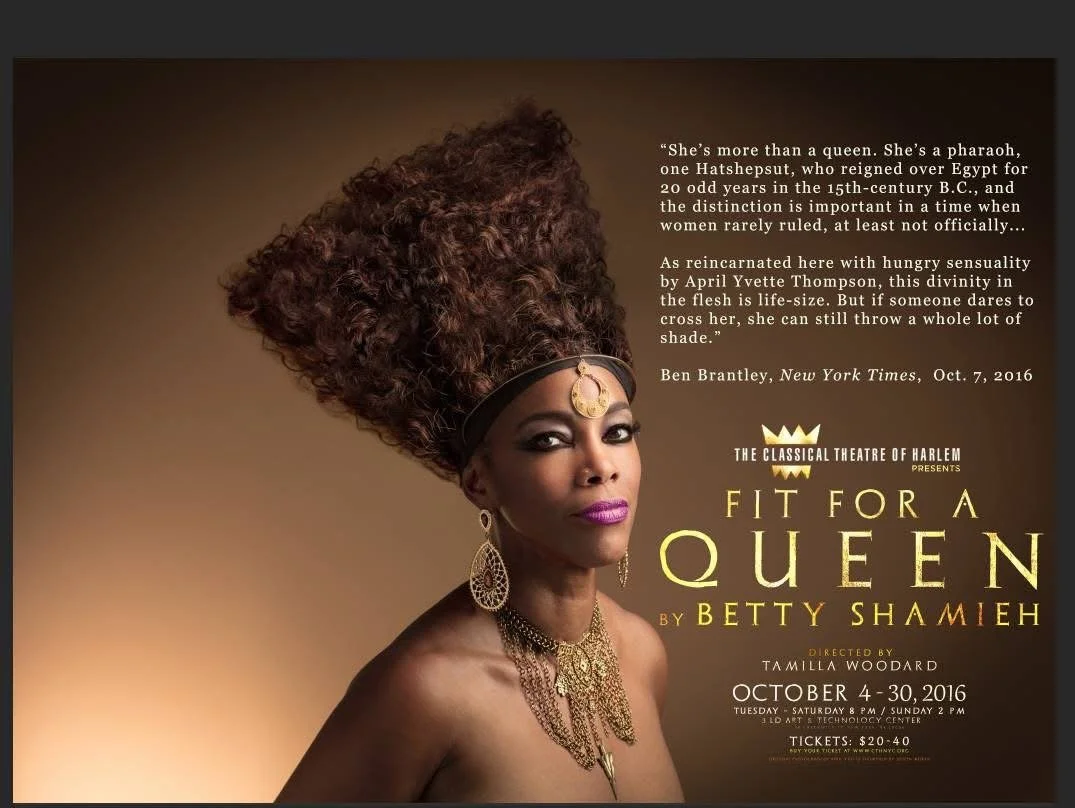
April Yvette Thompson
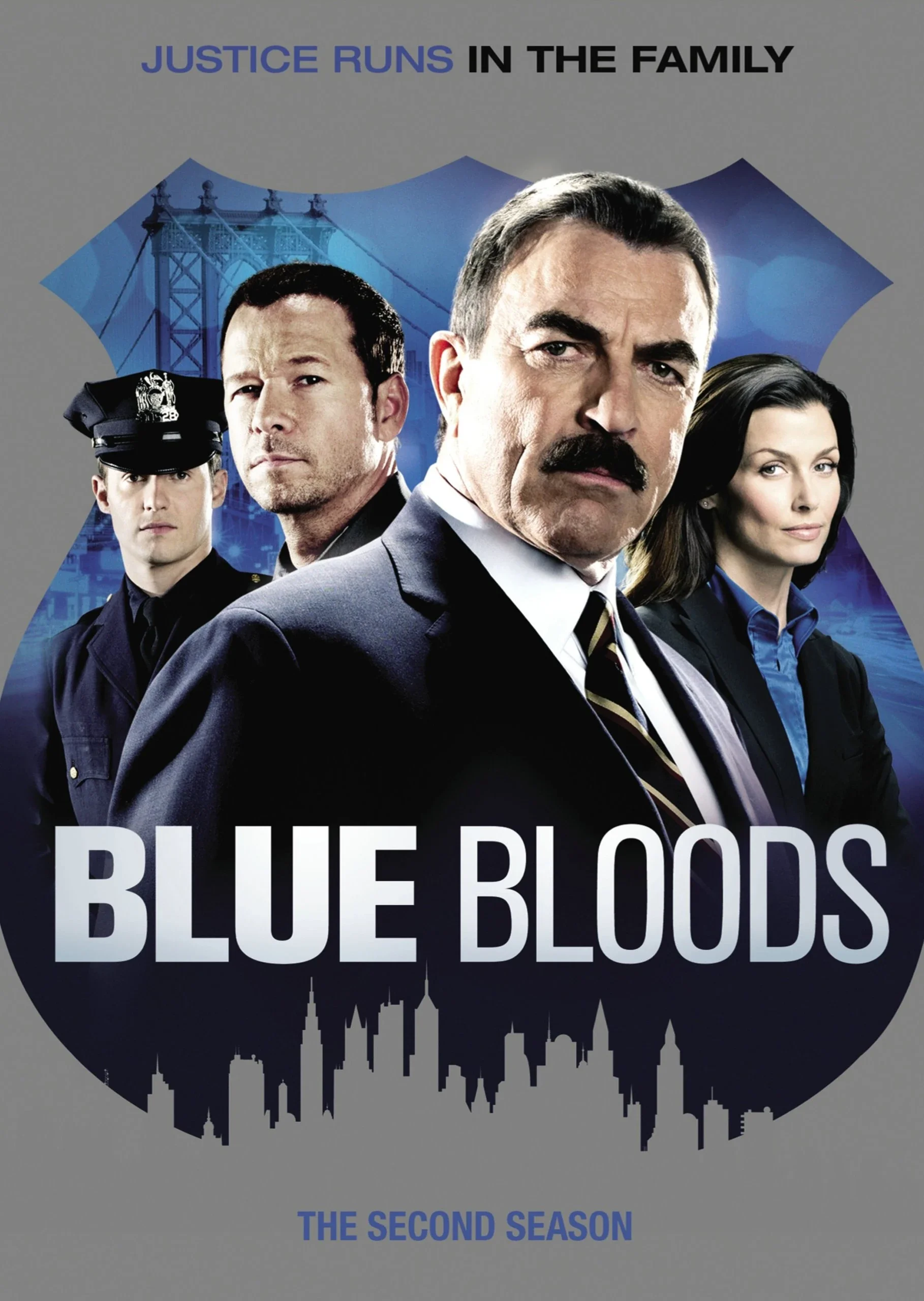
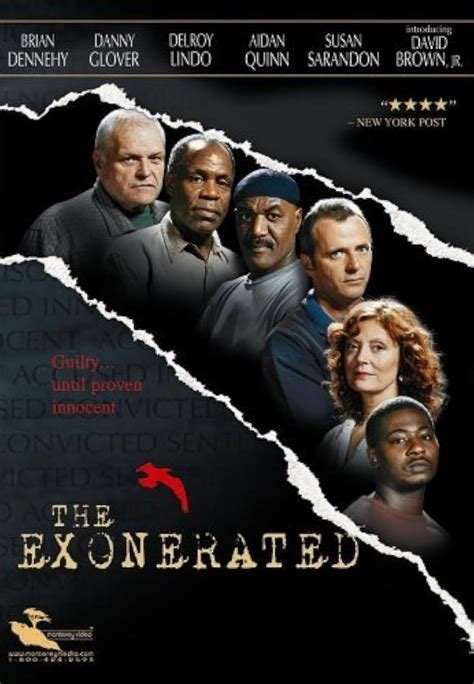
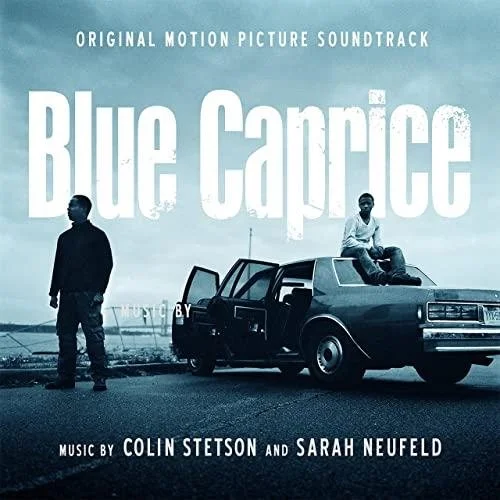
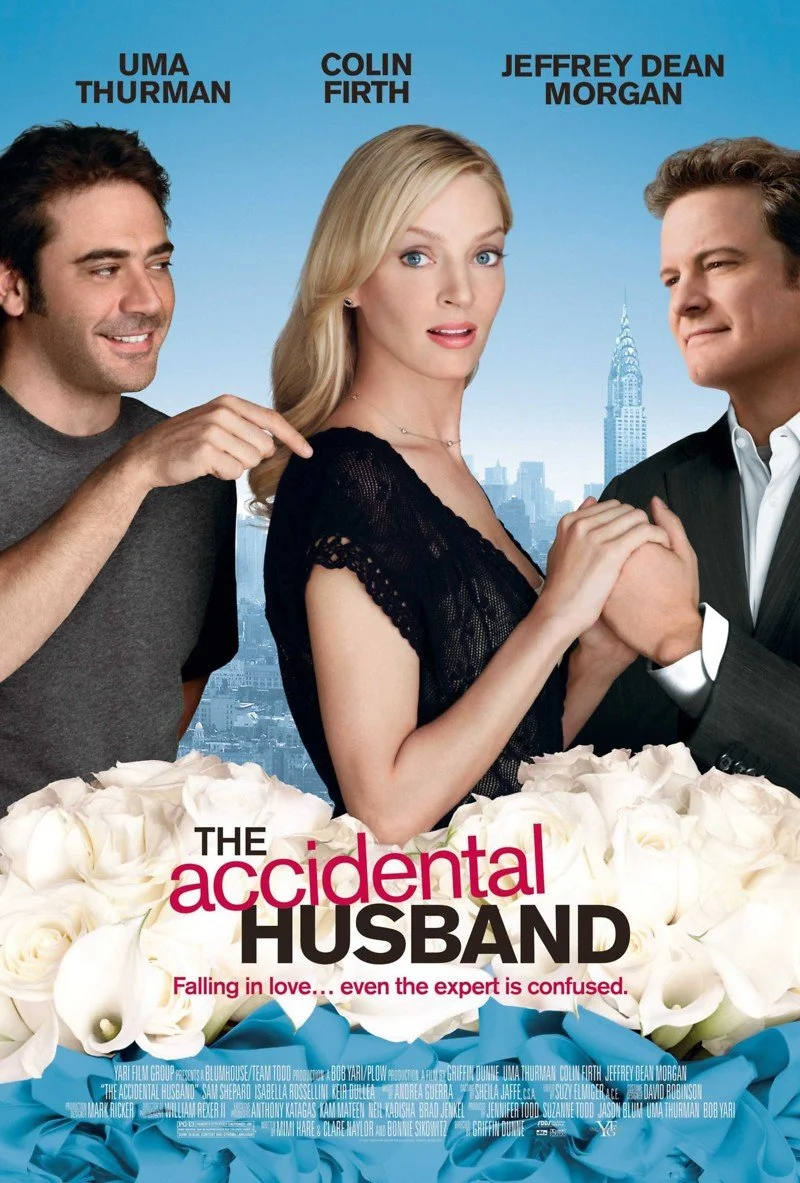
is a Tony-winning producer/writer/actor working across media. Film/TV credits include BULL, Blue Caprice, Gotham, Blue Bloods, Babylon Fields, The Exonerated (w/Susan Sarandon & Delroy Lindo), Accidental Husband, Backwards, Law & Order & Third Watch, etc.
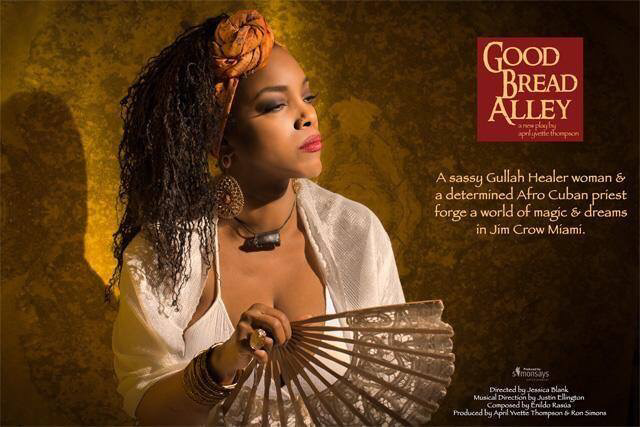
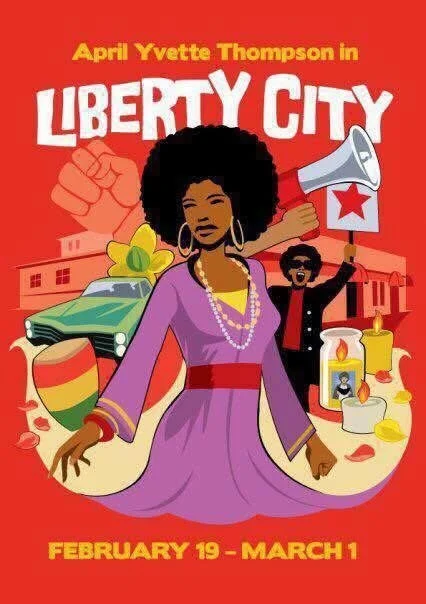
Broadway/Off Broadway credits include Clybourne Park, (Pulitzer & Tony); Vassar Voices (w/Meryl Streep), Good Bread Alley, Liberty CityThe Exonerated (w/Gabriel Byrne, Richard Dreyfuss), Medea, King Lear, Macbeth, Antigone & Light Raise the Roof.
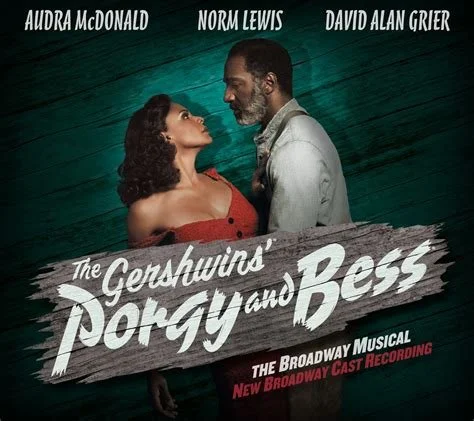
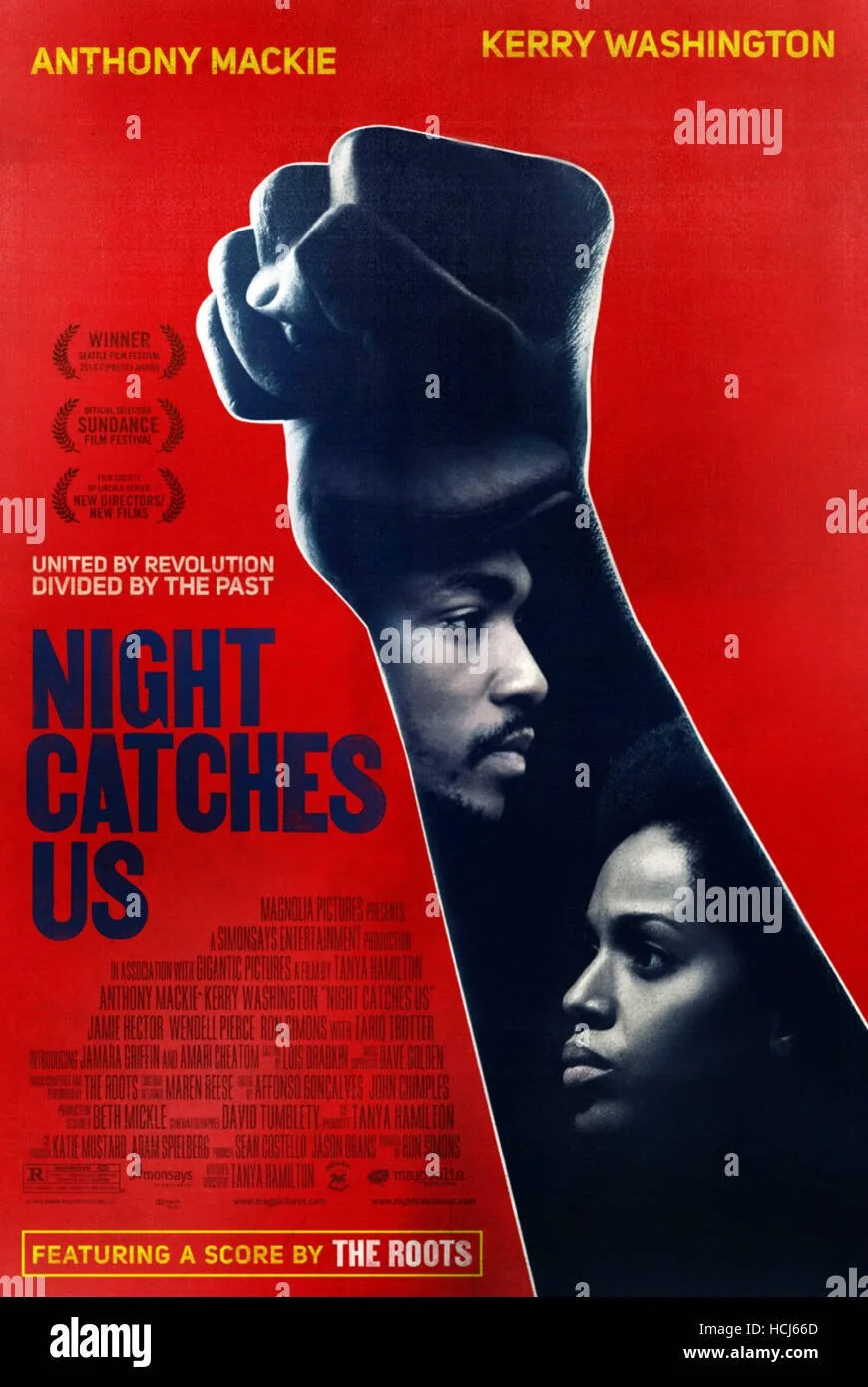
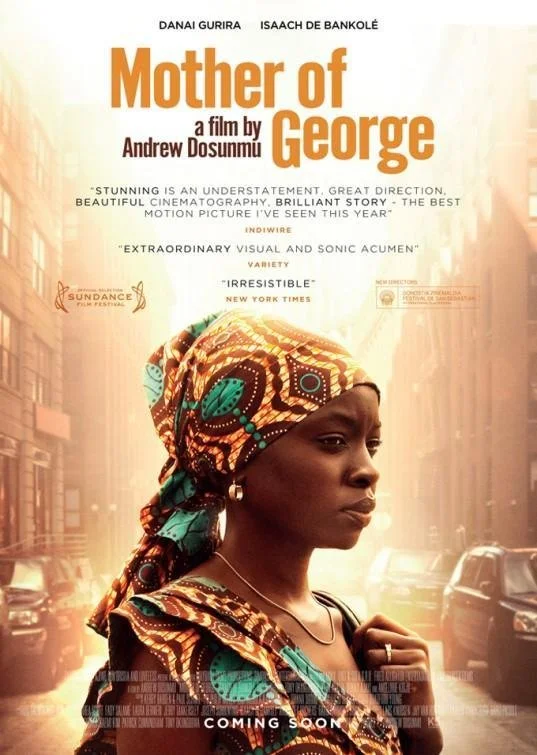
As SimonSays Entertainment Director of Development, April produced Sundance features: Blue Caprice (w/Isaiah Washington), Mother of George (w/Danai Gurira), Gun Hill Road (w/Esai Morales). April was on the Tony-winning producing teams for 2017 Tony for Best Revival for August Wilson's Jitney directed by Ruben Santiago Hudson and 2012 Tony for Best Revival, Porgy & Bess starring Audra MacDonald (Tony).
April wrote, produced & starred in her Miami Trilogy of plays: Good Bread Alley and Liberty City (Drama Desk, Outer Critics, Lortel noms & Jeff Award) at New York Theatre Workshop.
Education: Vassar College & Rutgers University.
AprilYvetteThompson.com





Frequently Asked Questions
-
All classes are virtual Zoom classes. You can dial in or log on visually from anywhere in the world
-
The easiest way to start is to join one of the Introductory 3 hour classes held each month for $199
-
Most acting classes teach you how to audition using acting techniques instead of business strategies that address our industry as it exists right now.
The Emotional Type Technique is a business strategy that helps you find more roles not limited to just your physical type which is ephermeral.
Your Emotional Type encompasses the full range of the human condition. It is a type that remains the same throught the life of your careerApril is the kind of teacher who wants you to your transform your world view; from an unimportant cog in the wheel of this business being buffeted about by every new fad to the CEO of your career. April helps you make a living as a working actor and storyteller guiding and shaping a career that illuminates your understanding of the human condition. You know, the stuff no one teaches you in acting school.
We don’t want to just take your money. We want to give you the tools to change your life and build the career of YOUR DREAMS, not what others people accept as good enough.
-
You can reach us anytime via our contact page or email. We aim to respond quickly—usually within one business day.
April@thedreamunlocked.com
-
There are introductory recorded classes starting at $15.
There is a one day live class starting at $199 that comes with bonus recorded webinars.
The there is the 12 Session Private Coaching that starts with nine monthly payments of $355 -
Fun. Like that one aunt that is brilliantly unfettered in her opinions and interests. Well travelled and free of heart, April is the teacher who wants you to take your transform your world view. From an unimportant cog in the wheel of this business being buffeted about by every new fad to the CEO of your career. Making a living as a working actor and storyteller guiding and shaping a career that illuminates your understanding of the human condition. You know, the stuff no one teaches you in school. We don’t want to just take your money. We want to give you the tools to change your life.
Prolific Acting Careers are not building careers from “dumb luck” or an accident, they are shaped by a thoughtful strategy of focusing on finding work beyond your physical type and into your emotional type

Actors who work all the time, consistently deliver complex performances because they are using the full range of their Unique Emotional type.
Careers like
Jeffrey Wright’s,
Sophie Okenedo’s
Chadwick Boseman’s
Judi Dench’s
Maggie Smith’s
Anthony Hopkins’
don’t happen randomly.
They happen because these artists have made very specific choices about the work they do. They choose roles that sit in the middle of their Emotional Types.
Careers where actors continue to move between character and leading men/women roles even as they age; are pretty much unheard of.
Except for those actors whose Emotional Type is the story of their careers
That’s why they can’t stop working.
The way you look will change each year.
But your Emotional Type is a constant that will help you create a sustainable, lucrative and fulfilling career that no AI can duplicate.